How Much Does It Cost to Grow Herbs Indoors (2026): About $53 in Soil, About $75 Hydroponic
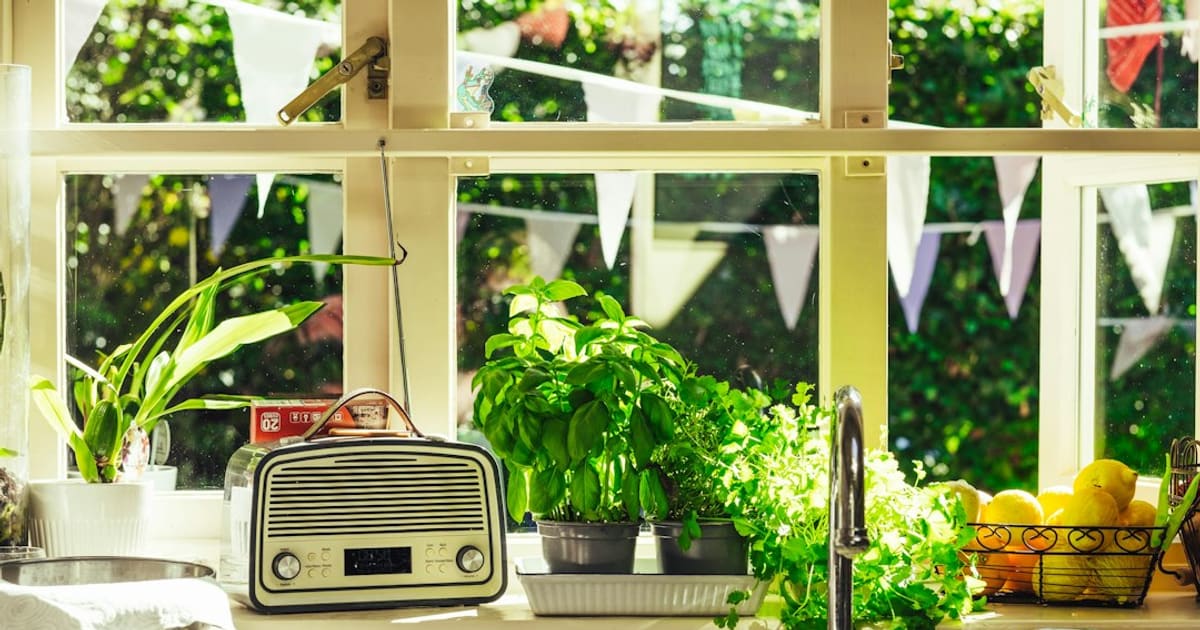
Growing herbs indoors costs about $53 with soil on a sunny windowsill, or about $75 for a countertop hydroponic kit with light and pods included.
Growing herbs indoors costs about $53 with soil on a sunny windowsill, or about $75 for a countertop hydroponic kit that brings its own light. Both are complete first-season setups, not starters that demand a second order next week. The $22 between them is a light and automation question, so pick by window rather than by budget.
The soil route: about $53
The soil setup is the container gardening starter pack at $52.96. A $34.97 vegetable garden kit Spade To Fork Organic Indoor Vegetable Garden Starter Kit ships five seed types, five compostable peat pots, five soil discs that expand with water, plant markers, and a 26-page growing guide. Five 7-gallon fabric grow bags VIVOSUN 5-Pack 7 Gallon Plant Grow Bags, Fabric Pots with Handles, 300G Thickened Nonwoven at $17.99 take over when seedlings outgrow the starter pots. Tap water and a sunny window cost $0, so the math is $34.97 plus $17.99, which equals $52.96, or about $53.
This route wants roughly six hours of direct light from a south or west window. Herbs share pots and timing with the kit's vegetables well enough that one tray teaches the whole routine: check the soil each morning, water when the surface feels dry, and move plants to the bags when roots fill the peat pots. Everything after the kit stays free until a plant that survived asks for more room.
The hydroponic route: about $75
The kit route is the home hydroponics starter pack at $74.97. One countertop garden box holds the water bowl and pump, a 20W full-spectrum LED grow light on an automatic timer, six pre-seeded pods, a bottle of liquid plant food, the control panel, and the grow domes with the guide. The math is $74.97 plus $0 for every part after the unit, which is $74.97, or about $75.
Hydroponics just means roots in water instead of soil. The light does the sun's work, the pump keeps the bowl moving, and the panel reminds you when to add water and food. Herbs do best at this size: basil, parsley, dill, thyme, mint, and cilantro all fit under the roughly 12-inch height limit. Tomatoes and peppers want a bigger system later, which is an upgrade, not a first purchase.
The running costs
Soil barely has any. Water comes from the tap, light comes from the window, and the included soil covers the first sowing. The hydroponic kit has two repeat buys: Miracle-Gro AeroGarden Liquid Plant Food (3 oz) refills ($7.99) and AeroGarden Gourmet Herb Seed Pod Kit (3-Pod) replacement pods ($12.89), roughly $8 to $20 each depending on how often you replant. Electricity is the small one, since the 20W light running about 16 hours a day lands well under $2 a month at typical U.S. rates.
What to skip
A grow light on day one, on either route. The window answers the first question for free, and the kit's built-in light is already sized for its six pods. A second light, a tower system, or a grow tent belongs to a later season after one full harvest, not to a first purchase. Decorative matching pots can wait too, since nursery pots and grow bags do the job while you learn what fits your window. A pH meter and nutrient kit are unnecessary for the first couple of hydroponic cycles.
The math, again
| Route | What you get | Cost |
|---|---|---|
| Soil | Seed kit, pots, soil discs, guide, plus grow bags | $52.96, about $53 |
| Hydroponic | Countertop garden, light, pods, food, reminders | $74.97, about $75 |
| Free path | Sunny window, tap water, a container you own | $0 |
| Skip | Extra lights, tower system, tent, pH kit | not yet |
For most beginners the soil route is the right spend when the window is good: $53, one tray, herbs within weeks. When the window is weak or there is no outdoor space at all, the $75 kit buys the light and the routine in one box. If the goal is greener rooms rather than dinner, the plant parent starter pack covers the houseplant side at about $50 for its core pair. The full catalog of one-cart kits is at the starter packs hub.
Frequently asked questions
Is $53 enough to grow herbs indoors?
Yes, if you have a sunny window. The container gardening kit was $34.97 when checked, and five 7-gallon grow bags were $17.99, which is about $53 all in. The kit covers seeds, starter pots, soil discs, markers, and a growing guide, and tap water plus window light cost nothing.
What are the recurring costs of growing herbs indoors?
Almost nothing on soil: water and light are free, and the kit's soil discs cover the first sowing. On a countertop hydroponic garden, plant food and replacement pods are the repeat buys at roughly $10 to $20 each, and the 20W light costs well under $2 a month to run at typical U.S. electricity rates.
Should I grow herbs in soil or a hydroponic kit?
Pick by window, not by budget. Soil wins when pots can sit in roughly six hours of direct light, and it costs about $22 less up front. The countertop kit wins in apartments with no yard or weak winter sun, because its LED light and water reminders replace the window entirely.
Do I need a grow light to start herbs indoors?
Not on day one. A bright south or west window covers the free version, and seedlings tell you when light falls short by stretching toward the glass. Spend on a larger pot after the seedlings have true leaves instead, and only add a light when the window proves too dim.
How we work
How we research and review
StarterPacks Editorial Team researches the products and writes the packs. We choose items for a specific starting point, then check the listing before we link to it.
For each linked product, we open the retailer page to check the price and availability, confirm that its Amazon ASIN still resolves to the right product, and compare important claims with manufacturer specs. We do not call an item hands-on tested unless the page explains what was tested.
This guide was last checked on . We revisit pages when products, prices, or advice change. Prices and stock can move after a check, so the live listing is the final word.
Read about the StarterPacks Editorial Team and our standards.