How Much Does It Cost to Start Watercolor (2026): About $46 to Start, $88 to Do It Right
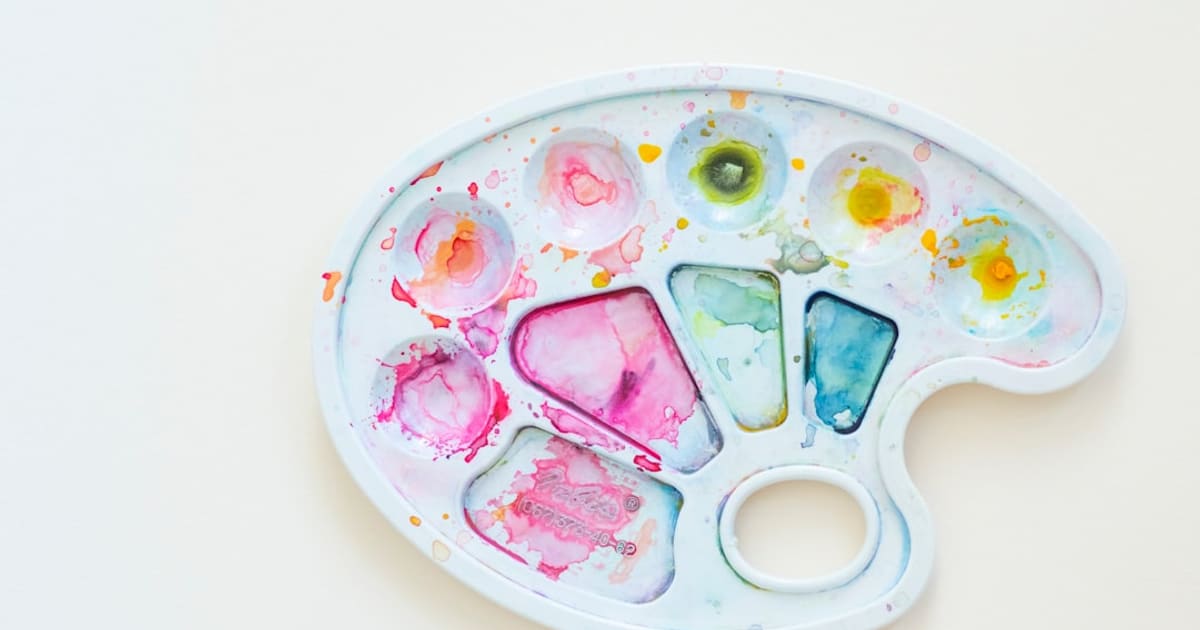
How much does it cost to start watercolor in 2026: about $46 for a paint box, paper, and one brush, or $88 for the full six-item kit. Per-item math inside.
You can start watercolor for about $46 or for about $88. The $46 version is the three things that actually matter: a real paint box, a small cold-press paper pad, and one round brush. The $88 version adds a rinse cup, a rag, and tape, which together turn park-and-coffee-shop painting from a hassle into a routine. Both get a beginner to a first wash this week, without paying for a $150 deluxe bundle full of colors you do not need yet.
The honest answer
A complete beginner watercolor kit costs about $88 right now, and a stripped-down three-item version costs about $46:
- Winsor & Newton Cotman 12-pan pocket box: about $23
- Canson Montval 9x12 watercolor pad (140 lb cold press): about $9
- Princeton Heritage round brush, size 8: about $14
- Dual-compartment rinse cup: about $13
- Flour-sack cotton towel 12-pack: about $19
- ScotchBlue painter's tape roll: about $10
$23 + $9 + $14 + $13 + $19 + $10 = about $88. The minimum useful kit is the first three items for about $46. How long the paint and paper last depends on how often and how large you paint; the last three items mainly make painting away from the kitchen table easier.
The free path ($0)
If you want to try watercolor before spending anything:
- Use a printer-paper scrap and a single cup of water with food coloring or old markers split open for pigment.
- Watch one YouTube "flat wash" tutorial and copy the motion.
- Borrow or buy nothing.
This will not behave like real watercolor. The pigments are weak, the paper will pill, and the brush (whatever you grab) will splay fast. But it tells you whether the medium itself interests you before spending $46. If it does, level up to the budget tier below.
The budget tier (~$46)
If you want the hobby to feel like the hobby from day one, buy the three items that matter most:
- Cotman pocket box (~$23): twelve half pans of student-grade paint, a pocket brush, and a mixing palette built into the lid. Cotman is Winsor & Newton's budget line, made with hue substitutions that hold the price down while still rewetting cleanly and blending the way tutorials promise.
- A 9x12 cold-press pad, 140 lb (~$9): this is the one place where cutting corners wrecks the hobby. Mixed-media sheets and printer paper pill and buckle the moment water hits them. The Canson Montval is the standard starter pick and runs about $9 for a 12-sheet pad.
- One size-8 round brush (~$14): the pocket brush handles detail but runs too small to wash color across a bigger area. The Princeton Heritage (series 4050) is the studio staple here, with synthetic sable filaments that snap back to a point and forgive beginners who forget to rinse them right away.
That forty-six dollars is the cleanest "I am starting watercolor" spend. Skip the rest of the kit for the first month and see if the hobby sticks.
The full tier (~$88, recommended)
The six-item kit linked from the watercolor starter pack is the right call for a beginner who plans to paint weekly, especially away from home:
- Cotman pocket box (~$23): Winsor & Newton Cotman Sketchers' Pocket Box (12 half pans + brush). Twelve half pans with a built-in mixing palette, the box that beats a $6 craft-store tray on every beginner exercise.
- Canson Montval pad 9x12 (~$9): Canson Montval Watercolor Pad (9x12, 12 sheets, 140 lb cold press). 140 lb cold press, the paper weight that does not buckle under a beginner's wash.
- Princeton Heritage size-8 round (~$14): Princeton Heritage Round Brush, Size 8 (Synthetic Sable, Short Handle). A useful upgrade when the pocket brush feels too small for broad washes.
- Dual-chamber rinse cup (~$13): Abaodam Dual-Compartment Paint Brush Cleaner Cup with 2 Sponges. Two chambers keep the dirty first rinse away from clean water, which matters the moment you paint at a park or class.
- Flour-sack towel 12-pack (~$19): Utopia Kitchen White Flour Sack Towels, 12 Pack (28 x 28 Inch), 100% Cotton. Blotting is how you rescue a puddle and lift damp color back off the page. Old t-shirts are the free version and work fine.
- ScotchBlue painter's tape (~$10): ScotchBlue Original Painter's Tape 2090-48NCC, 1.88 in x 60 yd, Multi-Surface, Medium Adhesive. Stretches the sheet flat and masks crisp white borders, which makes early attempts look finished immediately.
What to skip at the start
- The 48-color mega set. Extra colors mostly give you new ways to make mud. Twelve pans mix into hundreds of combinations, and learning what your yellow does to your blue teaches more than owning nine different greens ever will.
- An easel for now. Many beginner exercises work flat or at a slight angle. A scrap of foamboard on the kitchen table gives you a portable surface for nothing; add an easel later if your painting style calls for one.
- A big brush set before month two. Fifteen brushes buy decision fatigue, not skill. The pocket brush plus one size-8 round covers almost everything the first months demand.
- Watercolor coloring books and pre-printed worksheets. They leave you filling shapes in a medium famous for misbehaving, and the book does none of the actual painting.
- Professional-grade tubes. The professional line is beautiful paint and entirely wasted on somebody still learning to lay an even wash. Six months from now, if watercolor stuck, upgrade then.
The math, again
| Tier | What you get | Cost |
|---|---|---|
| Free | Paper scrap, food coloring, YouTube tutorial | $0 |
| Budget | Cotman box + paper + size-8 brush | ~$46 |
| Full | All six items from the starter pack | ~$88 |
| Skip | 48-color set + easel + 15-brush set + worksheets | $150+ |
For most beginners, the budget tier is the smartest spend for the first month. Once you decide to paint weekly, the full tier is the right call. Do not spend more than $100 on watercolor in year one, and that is only if you replace paper aggressively while learning to lay an even wash.
For the couch-side hobby that shares a tote bag with this one, the embroidery starter kit covers the thread-and-hoop side of the analog craft wave. For the full catalog of similar beginner kits, see the starter packs hub.
Frequently asked questions
Is $30 enough to start watercolor?
Almost. A $20 Cotman pocket box, $9 paper pad, and a borrowed or $10 craft brush get a beginner to a first wash for about $30 to $40. If the brush loses its point or feels too small for washes, a $14 Princeton Heritage round is a useful upgrade. $46 is the cleanest entry price.
What are the hidden costs of starting watercolor?
Almost everything is optional. Half pans get re-wet and can last through many paintings, so paper is usually the main recurring cost. Printer paper and some mixed-media pads can pill or buckle under a wet wash; a 140 lb cold-press pad is a more reliable starting point.
Cheap watercolor kit vs premium kit, what is the real difference?
A $46 budget kit covers the three things that matter: a real paint set with a mixing lid, a proper 140 lb paper pad, and one size-8 round brush. The full $88 kit adds a dual-chamber rinse cup, a cotton rag pack, and masking tape. Deluxe $150-plus bundles may add 24 extra colors and a travel easel. Those are optional: a small palette is easier to learn, and many beginners paint flat or at a slight angle on a table.
Do I need drawing skills to start watercolor?
Not for the first few months. Most beginner exercises are about controlling water: flat washes, graded washes, wet-on-wet skies, simple botanical shapes. Paint-along tutorials walk through each composition step by step, and drawing skill grows alongside painting rather than coming before it. A five-by-seven piece of paper quietly solves the perfectionism problem too, because a failed small sheet costs you two minutes and a fresh one.
How we work
How we research and review
StarterPacks Editorial Team researches the products and writes the packs. We choose items for a specific starting point, then check the listing before we link to it.
For each linked product, we open the retailer page to check the price and availability, confirm that its Amazon ASIN still resolves to the right product, and compare important claims with manufacturer specs. We do not call an item hands-on tested unless the page explains what was tested.
This pack was last checked on . We revisit pages when products, prices, or advice change. Prices and stock can move after a check, so the live listing is the final word.
Read about the StarterPacks Editorial Team and our standards.